
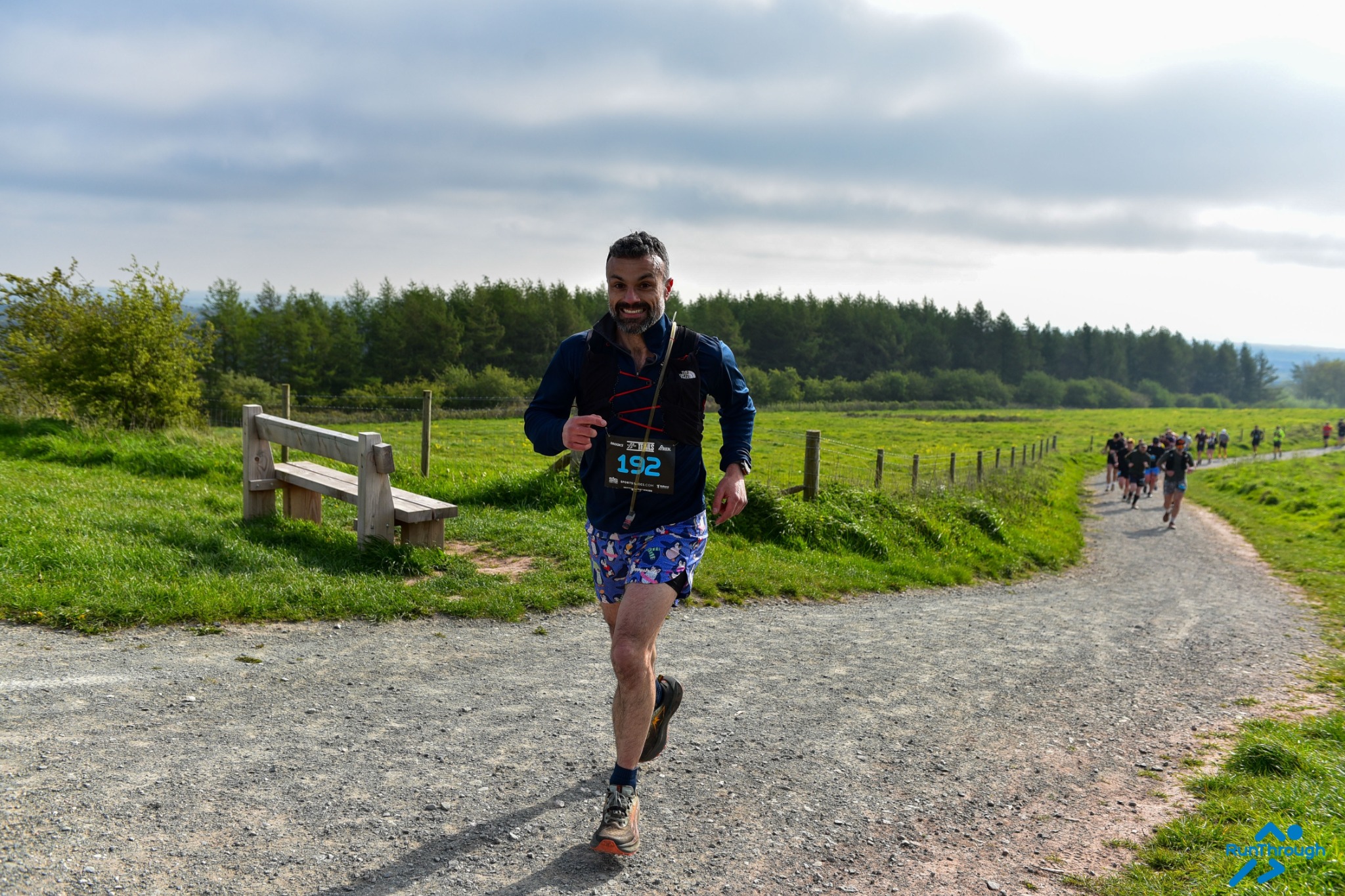
Most people reading this will probably already know me. I’d say I’m above average fitness and in good shape for my age at 46. My focus is, and always has been, Kuk Sool. Being a good practitioner, knowledgeable instructor, and strong leader requires a high level of general fitness. You need to be strong, agile, and have the cardio capacity to still be the commanding voice amongst a room full of gassed-out students.
I’ve also always had a strong passion for the outdoors. Mountain biking, cyclocross, hiking, and, more recently, fell and trail running. These have ticked the box for something we don’t really get from Kuk Sool training itself: steady-state cardio.
I should also point out that I’m not naturally a runner. I enjoy it, but I’ve never been one of those people who effortlessly glides around marathons dressed as a banana whilst holding a conversation. Years ago, I was actually told by a specialist that I’d eventually need a full ankle replacement and would never run again. Apparently, I was, however, an excellent candidate for a free car through PIP, so swings and roundabouts.
In the past, my competitive spirit would always shine through in any steady cardio effort. Every bike ride, run, or mountain climb became a race to beat some random bloke I’d never met. My four pages of Strava KOMs will attest to that, and my ten pages of Strava top 10s will show the ones I couldn’t quite manage, or have lost as I’ve chilled out a bit over the past few years.
Because of this, every session became an absolute, lungs-out, prolapsed rectum, maximum heart rate sufferfest. If I wasn’t seeing stars, chasing somebody’s segment time, or trying to drag my own soul out through my mouth on a climb, I probably didn’t think I was training properly. If a session didn’t end with me questioning my life choices and briefly communicating with ancestors I’d never met, it clearly hadn’t been hard enough.
My slower sessions were walking the dogs, so I was never really getting that important middle ground of heart rate training: the part where you’re working, but not pushing. You’re at that level where your heart rate is elevated enough to encourage aerobic adaptation, but you’re not stressing anything. You’re not pounding the pavement. You’re not cranking the pedals so hard that the bike frame feels like it’s bending. Enter the mystical and mythical world of “Zone 2 cardio”.
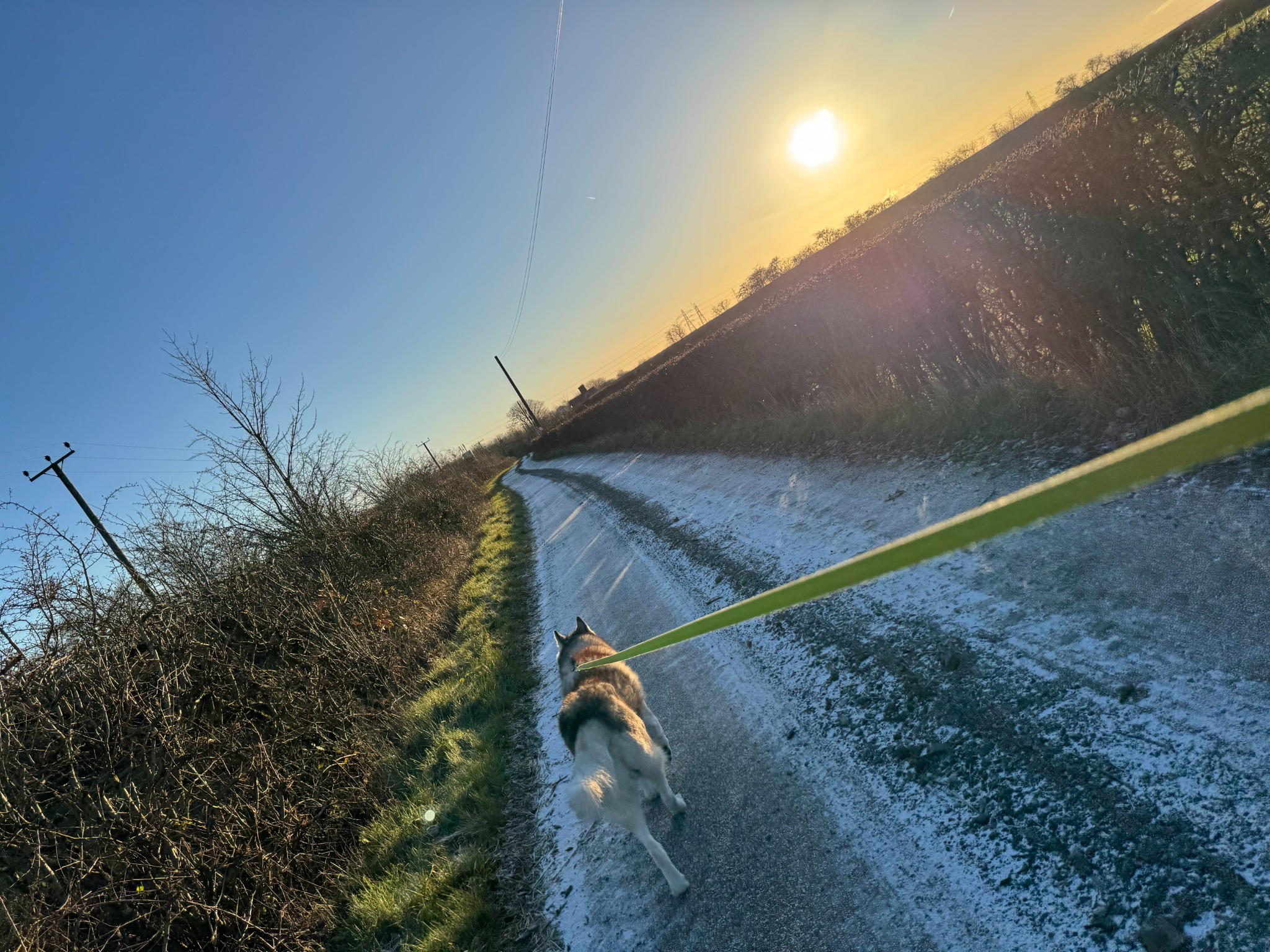
What is Zone 2, and what does it actually mean?
Zone 2 is essentially the level where your body is working hard enough to encourage aerobic adaptation, but easy enough that it can sustain that work for a long time without tipping into panic mode. You can still talk, your breathing is controlled, and when you finish, you feel like you probably could have carried on. It feels too easy to be useful, which is probably why most people either avoid it completely, or accidentally turn every “easy” session into a race.
So, what’s the point of Zone 2? In simple terms, it teaches your body to become more efficient at producing energy. It helps the working muscles get better at using oxygen and fuel, particularly fat, without creating the same level of fatigue as harder training. Over time, that should mean you can move faster at the same heart rate, recover better, and build a bigger aerobic base. It isn’t magic, and it definitely isn’t quick, which is the bit most YouTube videos seem to skip over.
Is this an easy thing to make happen? No, absolutely not. I did loads of research before I started. I read articles, watched videos, and actually studied the subject quite hard. I had a long chat with a good friend of mine over in Texas, Master Phil Sage, who, at a similar age to me, decided to start running ultra marathons in the Texas summer heat. Crazy? You bet.
He didn’t just start running, do the odd parkrun, buy loads of sunglasses, and scrape his way through. He fully committed to a Zone 2 style training programme. Over several months, he went from walking slow miles, to eventually jogging, and worked his way up to ultra distance. Did he complete his first ever Texas heat ultra marathon? He actually won the whole thing, which is deeply irritating for the rest of us.
I also looked into other sources. YouTube is a minefield of misinformation, and most articles don’t really portray the level of commitment required to actually benefit from this type of training. Most make it sound like you buy a Garmin, jog twice, listen to a podcast on nasal breathing, and suddenly become an ultra-athlete.
So, I took what Master Phil told me, compiled the best of what I’d read, and started on my own journey. This was back in September 2025.
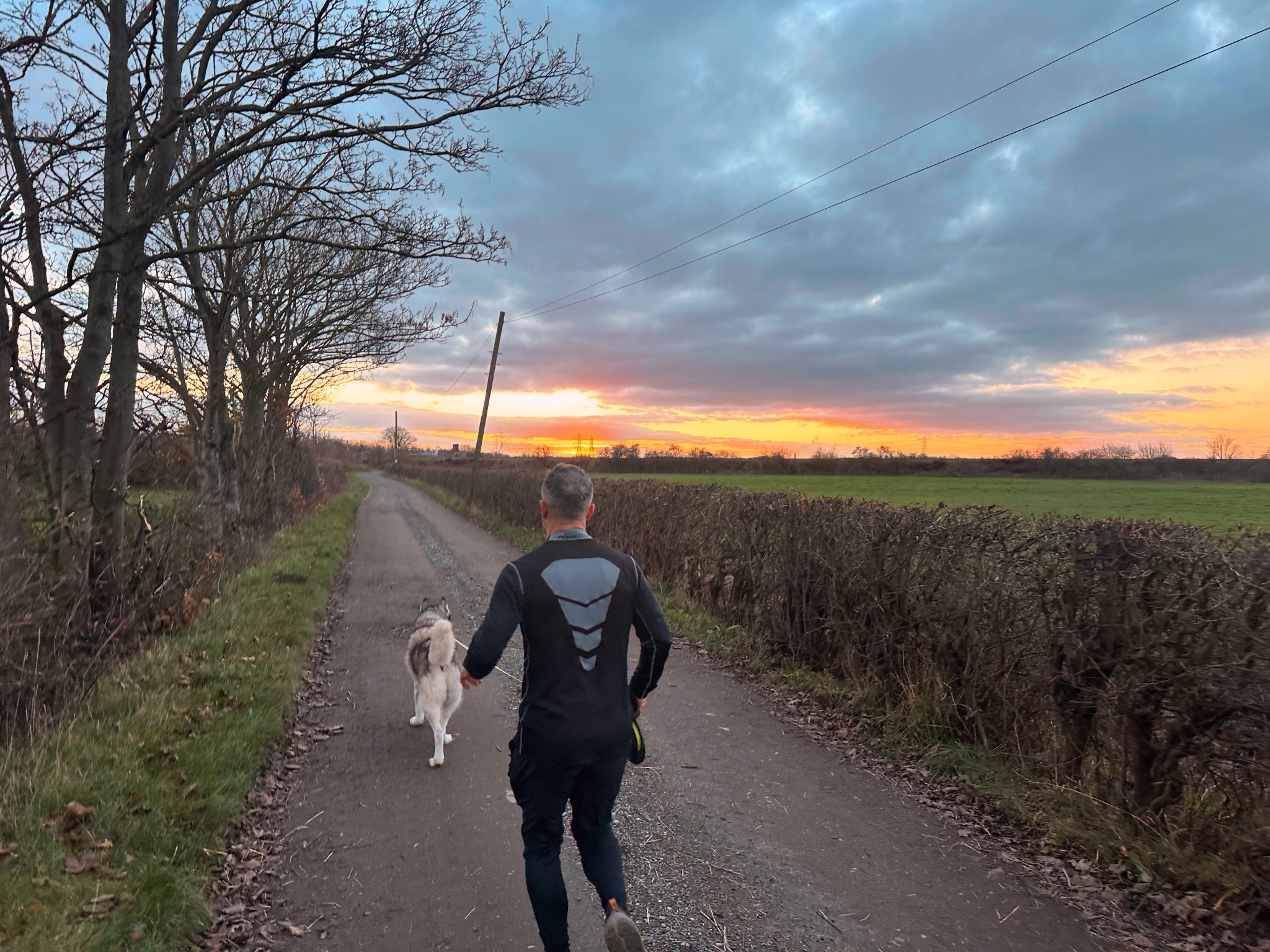
I’m now approaching a milestone in this journey. I have always run exactly the same route, the same distance, and at roughly the same time of day. This would at least give me consistent data to track whether this was actually working for me, or whether the whole thing was nonsense.
By next week, I will have completed 50 sessions. Fifty times around the same 3.55-mile route, always with Bruce, never on my own. Starting off at 13-minute miles (8 min/km) and absolutely suffering through the walk-run-walk-run of the first three months, I slowly started to see some very small changes.
After three months of two sessions per week, I could run the whole distance without the HR alarm going off, still not fast, but not walking. I have my Garmin set so that the only data it shows is my heart rate and the related zone I’m in. No pace, no distance, no elapsed time. Sometimes the sessions would feel slow and boring, sometimes they would feel fast, but I had no control over any of it. I was completely at the mercy of my Garmin screen and heart rate.
I didn’t feel any different either. I had ploughed months of my time into this, never missed a session, and could not in any way say that it was doing… anything. Until lately.
At around the six-month mark, things suddenly started to change. My times actually started to drop. At first, I thought it was a glitch in the data, but it persisted. It plateaued for a while, and then suddenly dropped again.
Originally, when I set out to do this, it was a personal journey. I wanted to gain some understanding of the body and properly investigate something that was, in my opinion, massively over-hyped. I always say to my students that every adult should be capable of running 5 km in 30 minutes or less. I could always do this myself, but I wondered if I could get to that point whilst maintaining a genuine Zone 2 heart rate.
Not only have I got there, but now I rarely do a Zone 2 5 km in over 28 minutes. This is including several emergency poop stops for Bruce and the occasional bark at another dog or getting tangled in the lead. Those are both me, by the way.
Not only are these 5 km runs getting faster, I also feel refreshed when I finish them. I might wake up achy and groggy, but I head out, do the Zone 2 route, and come back feeling charged for the day. They don’t affect my afternoon training energy levels, and I’m still able to teach hard right until the end of my shift at 21:15.
This isn’t even where I’ve seen the biggest changes.
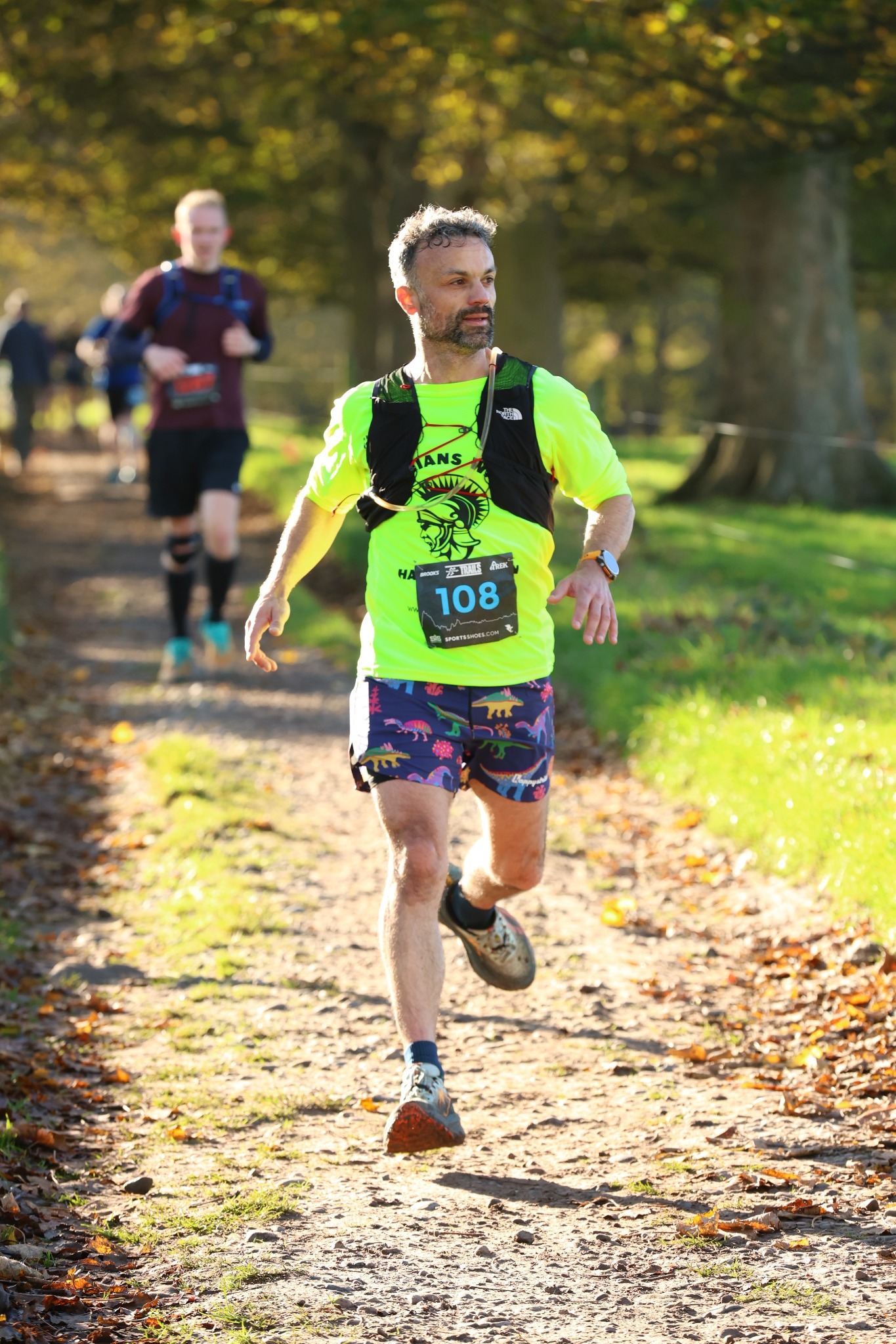
I occasionally enjoy a long run around the 10-mile mark, and I also enter half-marathon trail races. These are over rough, slippery ground, up and down mountains, through streams, nettles, mud, and climbing walls. During these events, I always had the fitness to plod along comfortably to my usual 10-mile point and then disappear into a very dark place for the final three miles, drawing on pure stubbornness to drag myself through the last quarter. Now, I feel as fresh at mile 13 as I previously did at mile 6.
My race strategy has even changed. I now find myself preserving my legs because my cardio system outperforms them. Years of Kuk Sool, mountain biking, and climbing the highest peaks gave me what I thought were indestructible legs. Now, at 46, they’re being outshone by my cardio system.
Previously, I would always see heavy cardiac drift towards the end of longer races, and when it hit, it hit hard.
Cardiac drift is where, over a sustained effort, your heart rate gradually climbs despite the workload staying roughly the same, usually due to heat, dehydration, fatigue, and the body becoming less efficient over time.
I went into this expecting internet hype and marginal gains. What I found instead was probably the single most useful piece of fitness understanding I’ve come across in my life. Not because it made me fast overnight, but because it completely changed how long training sessions can feel. Because that feeling of being full of energy, even when your little legs are crying out to stop, is a special feeling, and it has been worth every minute of this journey.
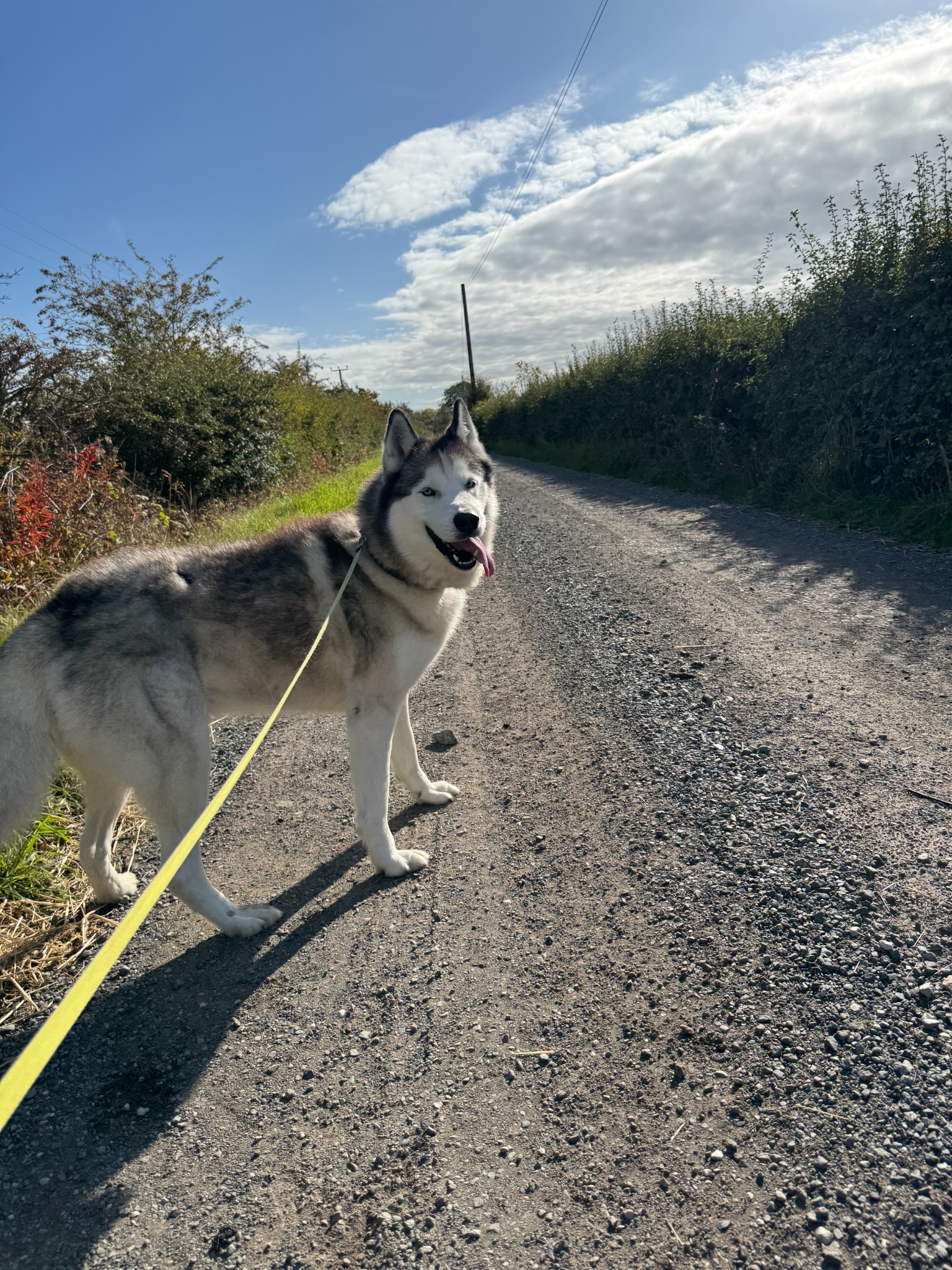
Ironically, one of the main limiting factors in my Zone 2 runs now is Bruce. At 12 years old, he still has the mindset of a puppy, but his body can only do so much. There’s something strangely satisfying about caring for my boy becoming the reason the run slows down instead of my cardio system.
Also, for the record, I still occasionally ignore all of this, run up hills like an idiot, and try to beat strangers on Strava. I’m not a monk.